Challenge 25 and Age Verification: What UK Bar and Retail Staff Must Do

What is Challenge 25?
Challenge 25 is a retailing standard that asks staff to request photo ID from anyone who looks under 25 when they try to buy alcohol, even though the legal purchase age is 18. Whether it is law depends on where you are. In Scotland, checking anyone who looks under 25 is a mandatory condition of every premises licence. In England and Wales it is best practice: the law requires an age check on anyone who appears to be under 18, and Challenge 25 is the accepted way venues meet that duty.
That distinction matters more than it sounds. If you run a venue or train staff, you need to know what the law actually says, separately from the industry standard almost everyone follows to stay on the right side of it. Get the two mixed up in a licence review or a staff briefing and you’re on shaky ground.
What the law actually requires
Every premises licence in England and Wales carries a mandatory condition: the venue must operate an age-verification policy that requires photo ID, showing date of birth, from anyone who “appears to be under 18.” This condition is set out in the Mandatory Licensing Conditions Order, and it’s one of the fixed conditions attached to every licence, not something a venue can opt out of.
The law doesn’t name a number above 18. It says the policy must catch anyone who appears to be under 18, “or such older age as may be specified in the policy.” That’s the gap Challenge 25 fills: a venue’s own policy sets its ID-check threshold at 25, well above the legal age, as a safety margin against staff misjudging someone’s age. The 18 is the law. The 25 is the venue’s chosen buffer.
This sits within the broader framework of the Licensing Act 2003, which governs premises licensing, personal licences and the four licensing objectives in England and Wales. Age verification is one of several conditions attached to a premises licence, alongside rules on promotions and on offering smaller measures.
Challenge 25, Think 25 and Challenge 21
Think 25 is the name some retailers give the same rule. Sainsbury’s, for example, asks staff to check the age of anyone buying age-restricted products who they believe to be under 25. It is not a separate legal standard: Think 25 and Challenge 25 both set the ID threshold at 25, above the legal purchase age of 18.
Most bars, pubs, supermarkets and off-licences across the UK now run on Challenge 25 rather than Challenge 21. Some venues still display Challenge 21 signage, usually left over from before the shift, but it’s worth updating: it signals a lower standard than the one your staff should actually be applying.
Acceptable forms of ID
Challenge 25 policies typically accept the following as valid proof of age:
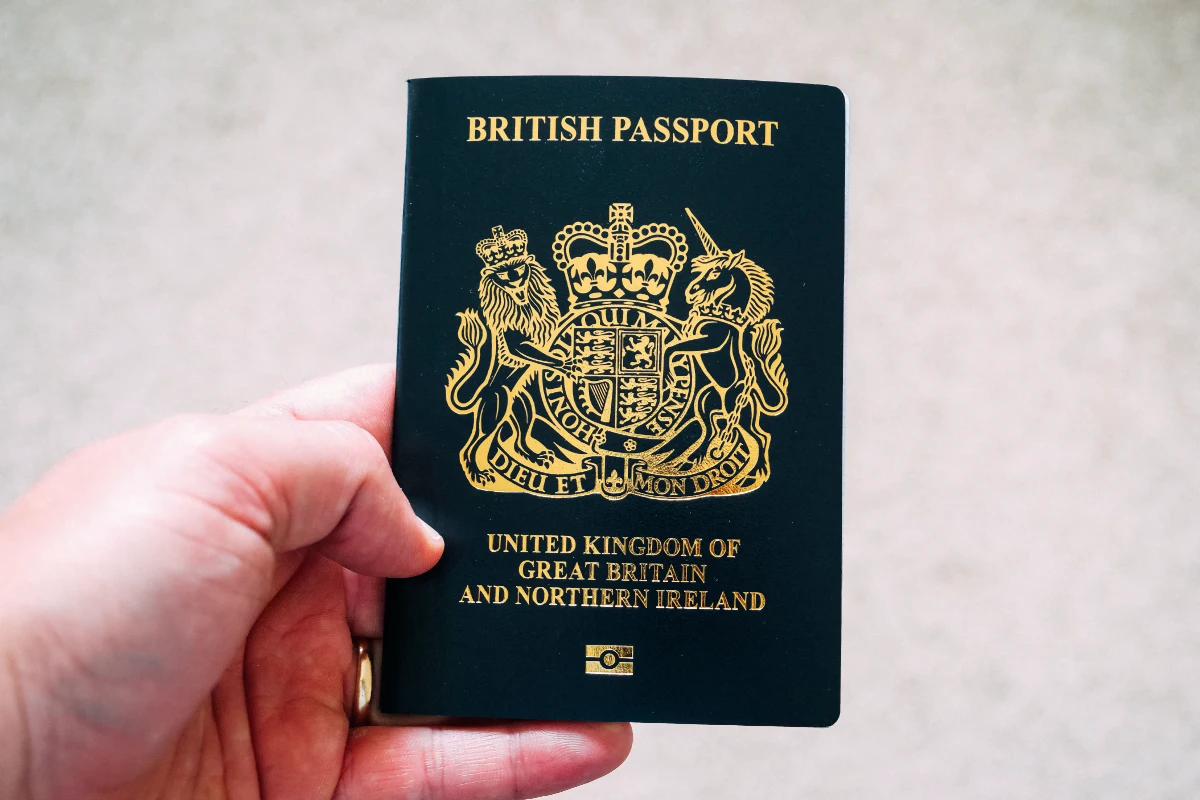
- Passport (any nationality)
- Photo-card driving licence
- PASS-hologram proof-of-age card (from the UK’s national Proof of Age Standards Scheme)
A student card, a work ID badge or a printed birth certificate isn’t proof of age under Challenge 25. If someone can’t produce one of the documents above, the correct response is to refuse the sale, not to make a judgement call based on how they answer questions.
Staff responsibilities and the reasonable-steps defence
Asking for ID is only half the job. The other half is what happens when someone can’t or won’t produce it: the sale gets refused, and it gets recorded. A refusals log, even a simple one, does two things. It gives the venue a paper trail showing the policy is actually being applied, not just written down. And it supports what’s often called a due-diligence or reasonable-steps defence: if a venue can show staff were trained, ID was asked for consistently, and refusals were logged, that’s a materially stronger position at a licence review or after a test purchase than a venue with no record at all.
This is also where staff need clear backing from management. Refusing a sale to someone who’s angry, embarrassed or insistent is an uncomfortable moment for a new starter. Staff who’ve been trained on how to refuse politely and firmly, and who know the venue has their back, are far more likely to actually challenge for ID rather than wave someone through to avoid a scene.
What happens if it goes wrong
Selling alcohol to someone under 18 is a criminal offence. The member of staff who makes the sale faces an unlimited fine (in England and Wales), so the person behind the till carries real personal risk. Beyond the individual, a poor age-verification record is exactly the kind of failure that puts the premises licence itself at risk at a review, shows up in the aftermath of a failed test purchase carried out by police or trading standards, and damages a venue’s standing with its insurer.
None of that is designed to be alarming for its own sake. It’s the reason Challenge 25, done consistently, matters commercially as well as legally. A venue with a genuinely applied policy, trained staff and a refusals log is in a defensible position. A venue that “sort of” checks ID when it feels like it isn’t.
Does this apply in Scotland?
Yes, and in Scotland it goes further than best practice. Every premises licence in Scotland carries a mandatory condition requiring an age verification policy: staff must take steps to check the age of any customer who appears to be under 25. The statute doesn’t use the name “Challenge 25”, but the rule is the same, and a venue without that policy is in breach of its licence.
Scotland also builds age checks into staff training. Proof of age, and the offences involving sales to under-18s, are two of the 16 subjects in the mandatory training that everyone who sells or serves alcohol, other than personal licence holders, must complete before their first shift. Our Scotland alcohol laws guide sets out the full requirement.
How training embeds Challenge 25 into everyday practice
Knowing the rule and applying it consistently under pressure, on a Friday night with a queue at the bar, are different things. That’s what staff training is actually for: it turns Challenge 25 from a poster behind the till into a habit staff fall back on without thinking.
ServeWise Online’s Responsible Service of Alcohol course covers age verification and Challenge 25 as a core module, alongside refusing service, understanding units, and handling the licensing objectives day to day. It’s fully online, takes around two hours, and ends with a Record of Training you can keep on file, useful evidence if your policy is ever questioned. We’ve trained more than 55,000 people since 2008.
Get your team confidently applying Challenge 25. Start with the England & Wales responsible service of alcohol course, or if your venue is in Scotland, the Scotland responsible service of alcohol course. £35 per person, done online, ready the same day.
Frequently asked questions
Is Challenge 25 a legal requirement?
In Scotland, yes: every premises licence requires an age verification policy covering anyone who appears to be under 25. In England and Wales, no: the law requires an ID check on anyone who appears to be under 18, and Challenge 25 is the accepted best-practice way to meet it.
What ID is acceptable in England and Wales under Challenge 25?
A passport, a photo-card driving licence, or a PASS-hologram proof-of-age card. Other forms of ID, such as a student card or work badge, aren’t accepted as proof of age.
What’s the difference between Challenge 21 and Challenge 25?
Both ask staff to check ID above the legal drinking age of 18. Challenge 25 uses a wider buffer than the older Challenge 21 standard and has become the UK industry norm because it catches more borderline cases where someone’s age is hard to judge.
Who is responsible if an underage sale happens?
The staff member who makes the sale commits a criminal offence and can be fined. Beyond the individual, an underage sale puts the premises licence itself at risk at a review, so training staff and keeping a record of refusals protects the venue, not just the person behind the bar.
Does Challenge 25 apply in Scotland?
Yes, and there it is a legal requirement. Every Scottish premises licence carries a mandatory age verification policy for customers who appear to be under 25, and proof of age is one of the 16 subjects in Scotland’s mandatory staff training.
What does Think 25 mean?
Think 25 means staff ask for ID from anyone who looks under 25 when they buy alcohol or another age-restricted product. It is a name some retailers use for the same approach as Challenge 25.
What happens if you fail a Challenge 25 test purchase?
Police and trading standards run test purchases using young volunteers. In England and Wales, a member of staff who sells alcohol to someone under 18 commits an offence and faces an unlimited fine. A failed test purchase also puts the premises licence at risk of review.In Scotland, selling alcohol to anyone under 18 is an offence under section 102 of the Licensing (Scotland) Act 2005, punishable by a fine, up to three months in prison, or both, and the Licensing Board can review the premises licence.
Train your team on age verification the easy way. Choose your course: the England & Wales RSA course or the Scotland RSA course (meets the legal requirement). £35 per person, around two hours, fully online. Training 10 or more? Ask about bulk pricing.